Home

Events / Growth / Operations

LAMMB LABS

How do you build an events business when every event is both a product and a test of the business behind it?

How do you build an events business when every event is both a product and a test of the business behind it?

A live-music events company using each event to test demand, distribution, economics, new markets, and how the business behind the next one should operate.

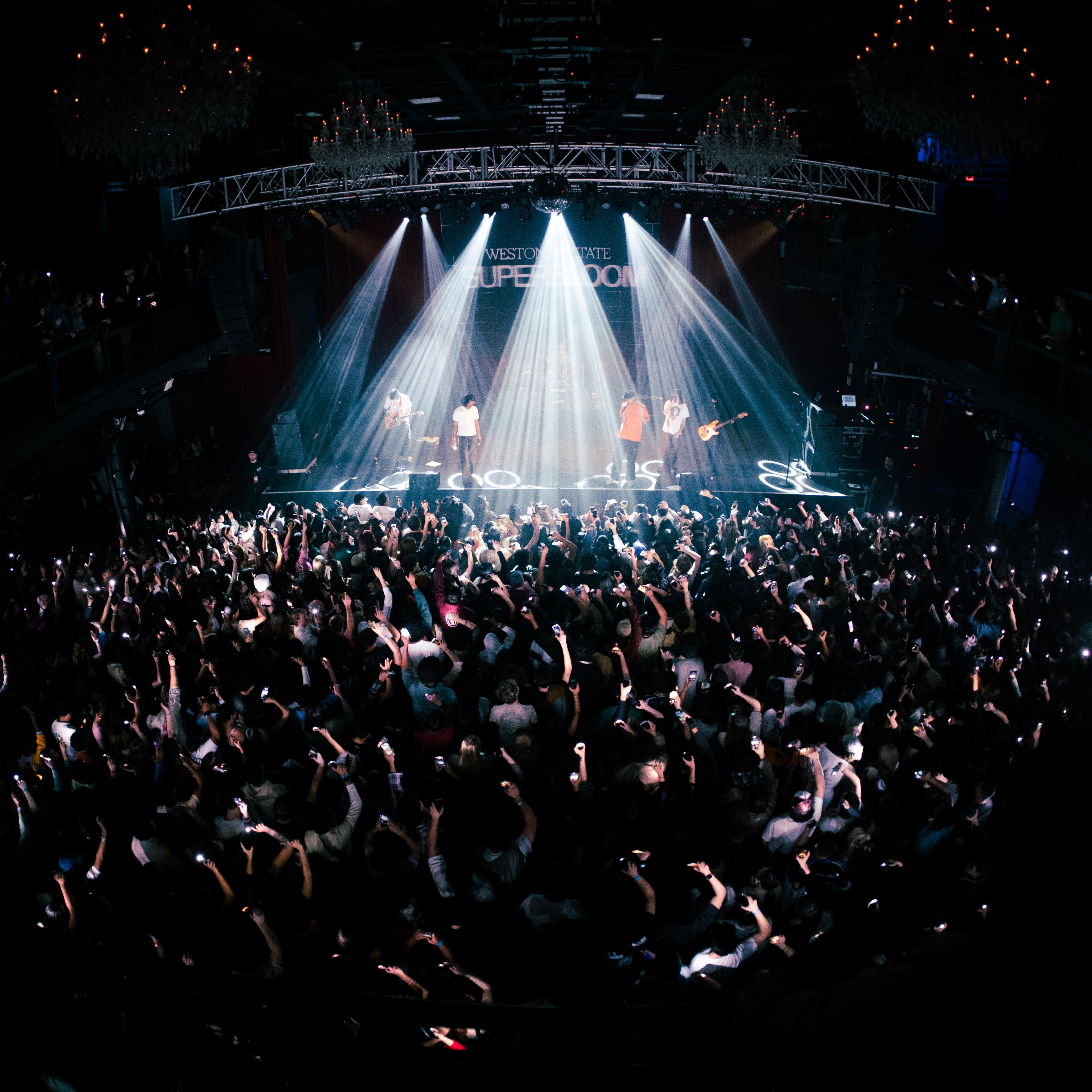
Overhead stage photo from Superbloom with performers, spotlights, and a large audience.
SUPERBLOOM | Brooklyn, NYC

Role: Co-Founder & Head of Operations & Growth

Timeline: August 2025–present

Location: Brooklyn, NY · Dallas, TX

Status: Live-music events collective

Proof points

3 events1,100+ event attendees~$70K total revenue~$36K total profitGrowth + distributionEvent operations + economics

Case study path

Demand
Market travel
Operating system
Critical failure
Owned infrastructure
Next test
01

Superbloom: Can We Create Demand?

Knockdown Center, Brooklyn · August 2025 · as WIBE
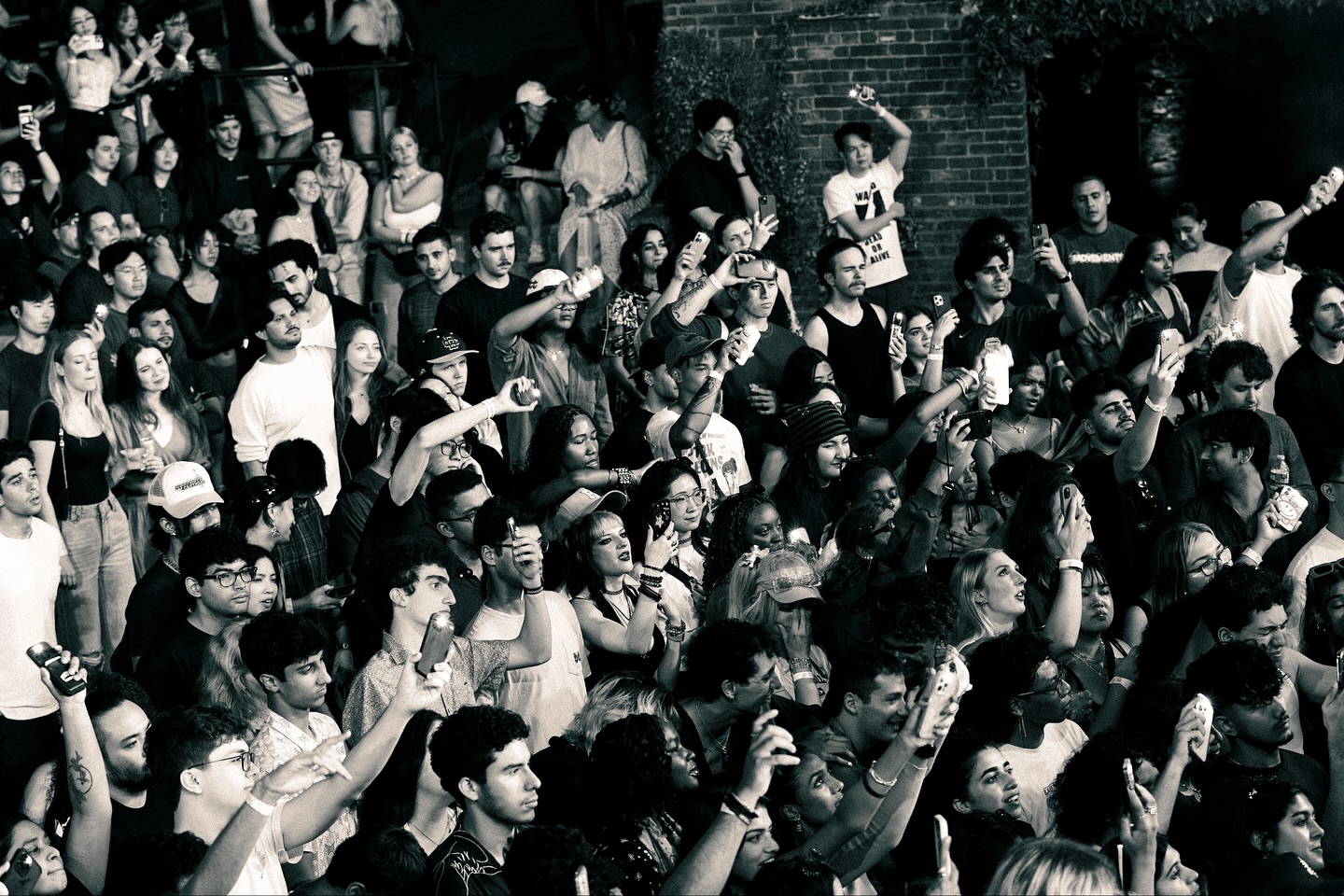
Black-and-white crowd photo from Superbloom with attendees holding up phones.
Superbloom audience, Brooklyn.

The first event started from nothing: no existing audience, almost no marketing budget, and an 800-ticket target.

Will people come? How do we reach them? What will they pay? Can sponsorship offset the risk? Can the economics work?

The instinct was paid ads. Instead, we looked for demand that already existed. The headlining band had an unusually committed community on Instagram and TikTok, and a dedicated community calls for a different approach than casual listeners. Before tickets went on sale, we ran two live shows in the city, each with 200+ attendance, to activate that community.

I tracked engagement and conversion across channels in real time. Instagram drove about 70% of ticket sales, so effort shifted there, through the band's following and local music influencers. I modeled ticket pricing across three scenarios against roughly $25K in fixed costs, trading margin against sell-through. In parallel, I built a sponsorship product from scratch with three partnership tiers and signed three sponsors.

Superbloom proved we could create demand for an event. It didn't tell us whether the model could work somewhere else.

02

Dallas: Can the Model Travel?

A new city meant a different audience, different venue relationships, a different artist, and a different distribution environment.

Which parts of the model travel, and which have to be rebuilt market by market?

The first Dallas event, Goom Gum at Akai in June 2026, was a Ukrainian electronic duo's US debut, run on deliberately lean economics.

In Dallas, there was no established local fanbase to activate, so distribution had to be built. I set up email marketing, tested ticket tiers and promotions, and ran targeted campaigns across social and community channels. Rather than copying the Brooklyn playbook, we used the same underlying method: identify where relevant demand already exists, test which channels convert it, and move effort toward what works.

The event sold roughly 260 tickets and generated about $2K in profit.

The method traveled. The audience didn't. Dallas had to be built from the ground up, and the next Dallas event shows what that produced.

03

Building the Operating System: Can We Make It Repeatable?

Each event is also a chance to build something the next one can reuse.

LAMMB isn't just producing events. It is building the machinery around them.

04

When the System Broke: What Happens When a Critical Dependency Fails?

ONE HOUR BEFORE DOORS, WE LOST ACCESS TO OUR TICKETING SYSTEM.

At Goom Gum, our ticketing provider's scanning app stopped recognizing our account. Support was unavailable. Guests were already arriving across five ticket tiers, and there was no way to verify a single ticket at the door.

There was no time to wait for a fix or switch platforms. I defined what a replacement had to do: pull live ticket data from the provider, validate QR codes, handle all five tiers, run on several phones at once, and keep working if the venue lost connectivity. I directed the build using an AI coding tool. The scanner pulled ticket data from the provider's API through a Cloudflare Worker proxy, cached it for offline use, and kept a local CSV fallback. We ran it on three phones, scanning both presold tickets and tickets sold at the door.

The save mattered. What it revealed about the business mattered more.

05

Owning the Failure: What Did It Teach Us?

The failure showed that one of the most operationally sensitive moments of the night, getting people through the door, depended on infrastructure LAMMB couldn't control.

Should an events company own more of the infrastructure between selling a ticket and getting someone through the door?

That question led to building our own ticketing. The platform handles checkout through Stripe, delivers signed QR tickets by email and on a wallet page, and verifies them at check-in with a separate offline-capable scanner built on what we learned at Goom Gum. It runs on Cloudflare, Supabase, Stripe, and Resend.

It is early. The full purchase-to-check-in flow works in test mode, and it hasn't yet run a live event.

The save got us through one night. What we changed afterward is what matters for every night after.

06

The Next Test: Can We Turn What We Learned Into a Better Playbook?

By the later Dallas event, LAMMB was no longer starting from zero. Earlier events had produced a large owned email list built from past customers, demographic evidence about who was attending, evidence about which acquisition channels worked in Dallas, more experience negotiating venue economics, and a better read on how the local market responded.

The next event used a more targeted playbook.

Target the audience. Paid campaigns used a tighter audience model informed by prior-event data, including a focus on Dallas-area customers ages 25–40.

Focus the channels. Effort went to channels that had already shown value: Instagram advertising, Facebook groups, and owned email outreach. That was a decision about where to spend, based on evidence from earlier events.

Build owned distribution. Past customers became an owned distribution channel, reducing the need to rebuild the audience from zero for every event.

Improve the economic model. LAMMB partnered with a hotel for the event. Drawing on earlier venue relationships, the team negotiated a share of bar sales, and that bar revenue generated the event's profit.

The profit isn't the point. Earlier events made this one smarter:

PRIOR CUSTOMER DATA → TIGHTER TARGETING → PROVEN CHANNELS → OWNED AUDIENCE → BETTER VENUE ECONOMICS

07

Ending

Each event started with a different question. Can we create demand? Can the model travel? What happens when a critical system fails? Can we use what we learned to make the next event work better?

The answers didn't stay inside the events. They changed how we acquired customers, negotiated with venues, built infrastructure, and approached the next market.

Every event is a product. Every event also makes the business behind the next one a little better.