Building the Business
Selling out the first dinner proved there was demand for the experience. It did not tell the team how to turn that demand into a business.
Each event raised new decisions about economics, capacity, operations, growth, and partnerships. My role was to help build the business layer around the culinary vision.
Pricing & economics. What can we charge without changing who the dinner is for? A higher price improves the economics, but it also changes who can come. Each dinner gave us another signal about what the concept could support. The move from $70 to $120 for The Origin was the biggest step, and demand held: the original 30 seats sold out in three days, a 20-person waitlist formed, and the margin stayed in the same range.
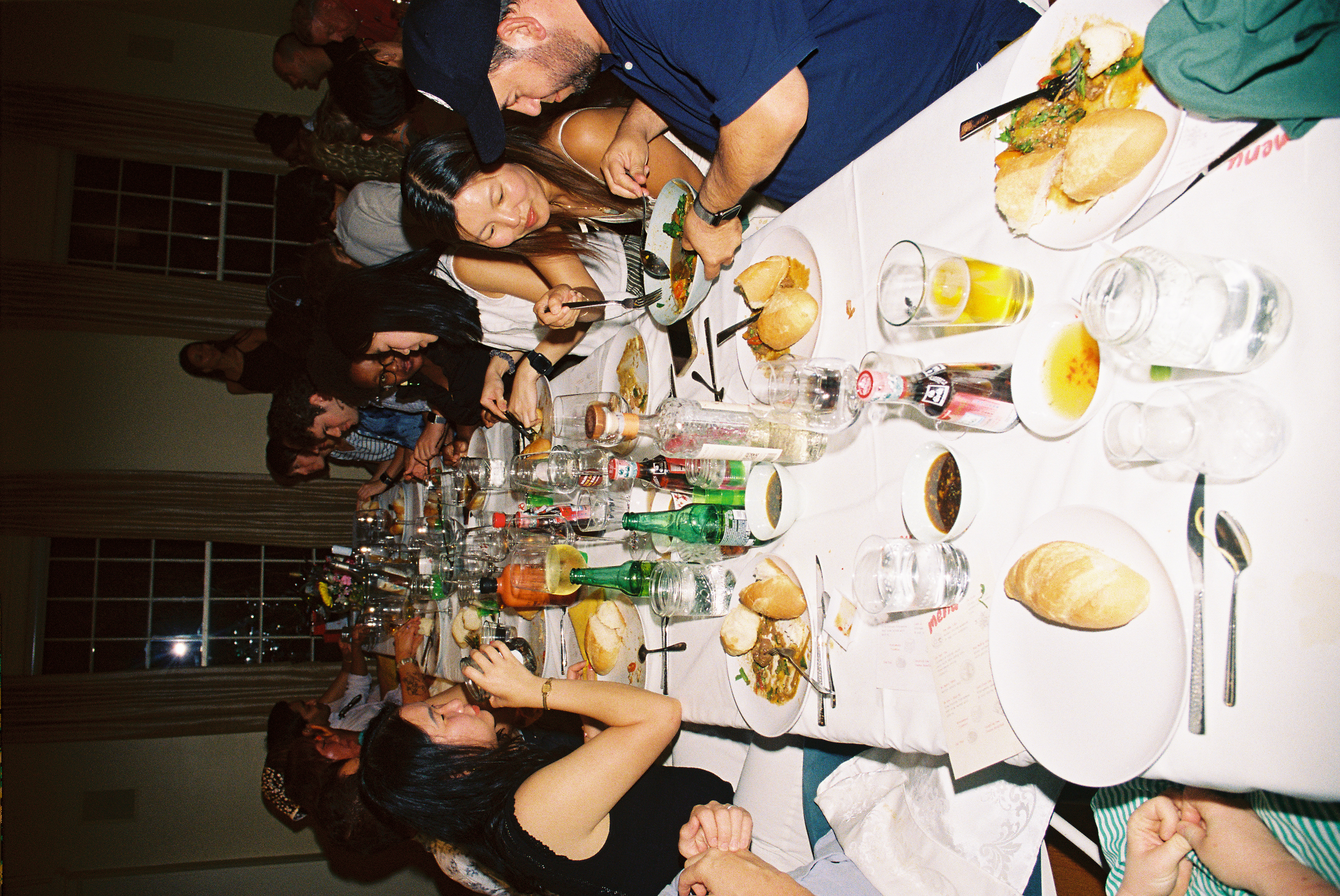
Capacity & operations. How many people can we serve before the experience starts to change? More seats mean more revenue. They also mean more staff, more prep, a tighter room, and a table that's harder to keep intimate. When The Origin sold out, the question wasn't whether demand existed but how far to stretch. The dinner went from 30 to 37 seats, not double.
Go-to-market. How do we sell the story, not just the seat? The menu is only part of what guests are buying. They're also buying into a story, a host, and the experience of sharing a table with people they haven't met. Ticket strategy, content, and positioning have to carry all three. In the 30 days before The Origin, about 60% of the club's Instagram views came from people who didn't yet follow it.
Partnerships. Which brands actually belong at the table? A sponsorship can improve the economics and still make the experience worse if the brand feels bolted on. The test for a partner is whether it already has a place in the story being told.
Growth. What should we repeat, and what should change? Every event produces evidence about demand, pricing, capacity, operations, and guest response. Growth means deciding which parts of the model are ready to repeat, and sometimes saying no. Collaboration dinners with established artists were evaluated as a growth path. Under the current deal structure they would lose money with no clear path to profit, so they stay off the calendar until the economics work.